Pre-lit or unlit trees: what works best for your shelves
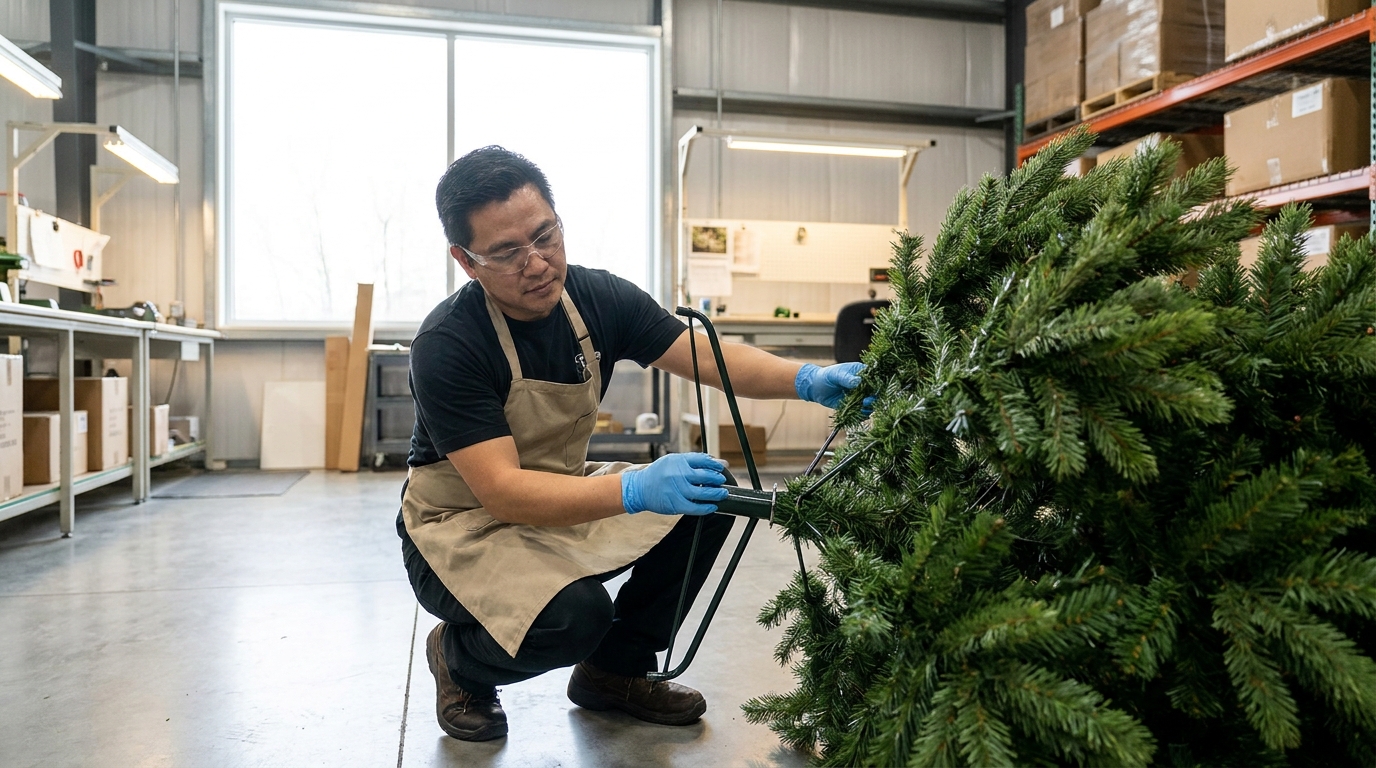
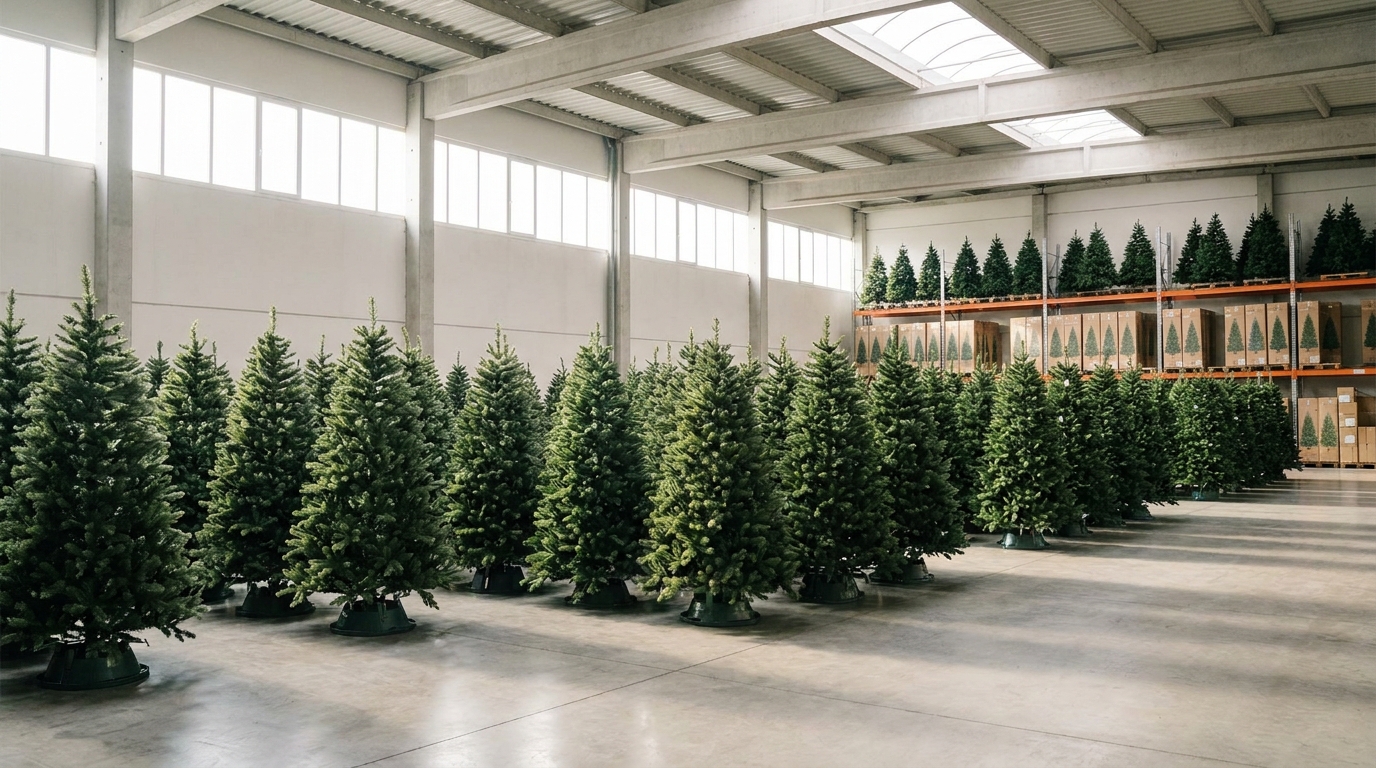
Every autumn, buyers ask us the same question, and it is a good one. Should the shelves carry pre-lit artificial Christmas trees, plain unlit trees, or a bit of both? There is no single right answer, because it depends on who walks through your doors, what they expect to pay, and how much time they want to spend decorating. After many seasons of shipping artificial Christmas trees from our Guangzhou factory to shops and wholesalers around the world, we can set out the honest differences so you can build a range that suits your own market. The good news: both types sell well, and together they often sell better than either one alone.
What pre-lit trees offer your customers
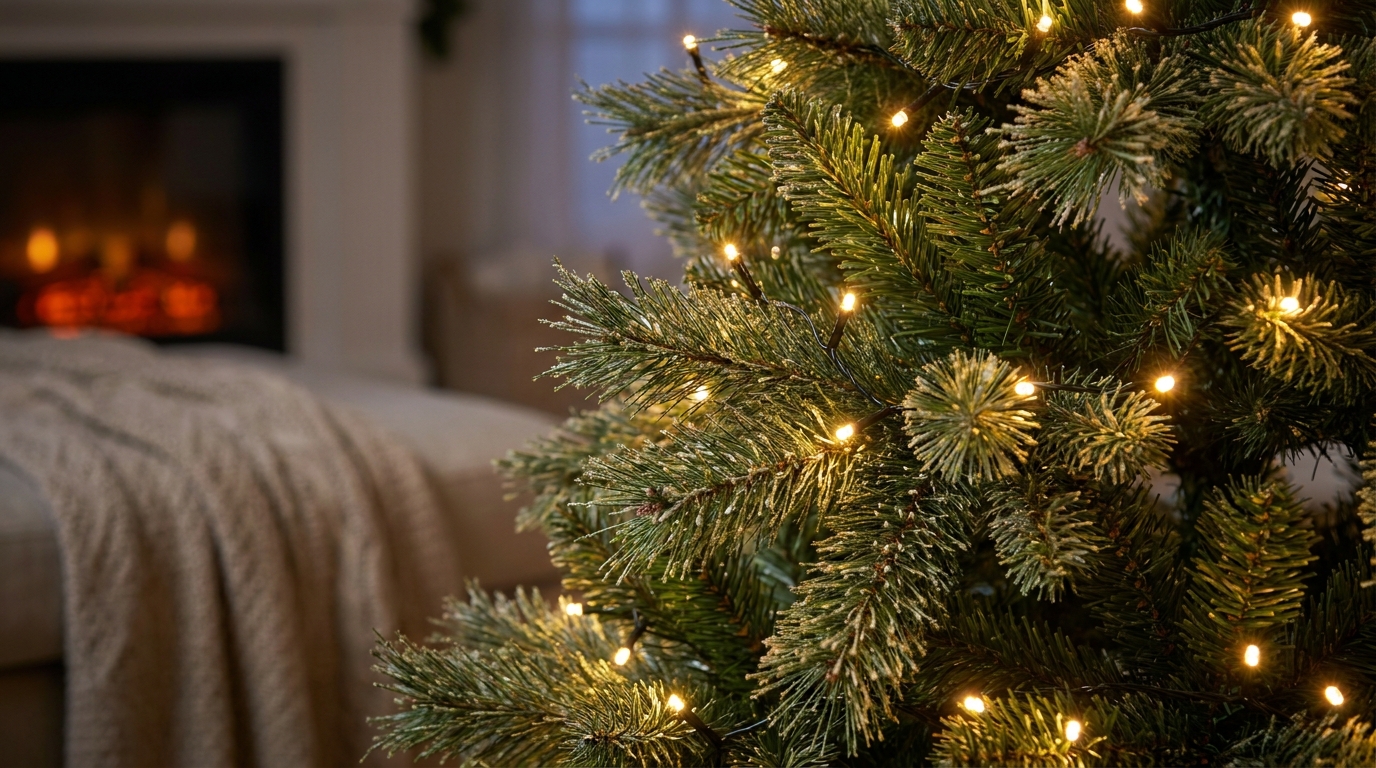
A pre-lit tree is exactly what it sounds like. The LED strings are fitted at the factory, woven along the branches by hand, so the light sits deep inside the tree rather than draped loosely on the surface. Your customer takes the tree home, slots the sections together, pushes one plug into the wall, and the whole thing glows. For busy families and anyone who has ever spent an evening untangling a knot of lights, that plug and glow moment is the whole reason to buy.
The two most popular options by far are warm-white and multicolour. Warm-white LEDs give a soft, golden light that suits classic and Scandinavian style interiors, and it photographs beautifully, which matters more every year. Multicolour LEDs bring the cheerful, traditional look that children love. Many of our buyers now also order dual-colour trees, where a small controller lets the customer switch between warm-white and multicolour, or blend the two. It costs a little more per unit, but it lets one tree serve two tastes, which is handy when shelf space is tight.
A quick word on bulbs, fuses and spares
Modern LED strings are reliable, and a good factory tests every tree before it goes into the carton. Even so, thoughtful details matter at retail. Our pre-lit trees ship with spare bulbs and spare fuses in a small labelled bag, and the strings are wired so that if one bulb stops working, the rest stay lit. A customer who finds spares tucked into the box remembers your shop kindly, and one who can swap a single bulb in two minutes never needs to bring the tree back.
Why unlit trees still earn their place
Unlit trees give customers freedom, and plenty of people genuinely want it. Some decorate to a particular colour scheme each year and prefer to choose their own lights. Some already own strings they love. Others want far more lights than any factory would fit as standard, especially for shop windows, hotel lobbies and church displays, where a 3 metre tree might carry two or three thousand bulbs.
Unlit trees also serve the value end of your range beautifully. Without the LED strings, transformer and wiring, the same tree costs noticeably less to make, so you can offer a genuinely attractive entry price. A young couple may start with a 1.5 metre unlit tree this year and come back for a 2.1 metre pre-lit one when the family grows. Stocking both keeps that customer at every stage, and every unlit tree sold opens the door to selling light strings alongside it, which carry a healthy margin of their own.
Price and packing, in plain terms
The cost gap between pre-lit and unlit comes from three things: the LED strings themselves, the labour of hand wrapping them through the branches, and the extra electrical testing and certification. As a rough guide, a pre-lit tree usually sits somewhere between 30 and 60 percent above its unlit twin at factory level, depending on bulb count and whether the lights are single or dual colour. On the shop floor that gap narrows in the customer’s mind, because they compare the pre-lit price against the cost of a bare tree plus good lights plus their own time.
Packing differs less than people expect, but it does differ. The lights add a little weight and a little bulk, so a pre-lit tree may need one carton size up, and cartons per container drop slightly. A 1.8 metre unlit tree often packs into a carton around 40 by 30 by 110 centimetres, while the pre-lit version of the same tree may need a few centimetres more in each direction. Across a full 40 foot container that can mean a few dozen fewer units, so ask for exact carton dimensions and loading quantities before you plan an order. Because our prices include delivery, we work these numbers out up front, so the landed cost per unit is clear from the first quotation.
A habit we suggest to every new buyer: decide your retail price points first, then work backwards to the mix. If your market supports three price tiers, unlit fills the entry tier naturally and pre-lit fills the top two.
Finding the mix that fits your market
Here is how the balance tends to work out across the buyers we supply.
- Convenience led markets, such as supermarkets and DIY chains, usually run 60 to 70 percent pre-lit, mostly warm-white in the 1.8 to 2.1 metre range.
- Markets where families treat decorating as an event often flip the ratio, with unlit trees taking the larger share and light strings sold alongside as a natural companion purchase.
- Garden centres and specialist Christmas shops do well with a wide spread: unlit at entry level, warm-white pre-lit in the middle, and dual-colour or micro LED trees at the top.
- Commercial and hospitality buyers, who want trees from 2.4 metres up to 6 metres and beyond, tend to prefer unlit so their installers can light each tree to their own design.
If you are testing the water, a sensible first order might split roughly half and half across two or three heights, then let the sell through data guide year two. Because artificial Christmas trees are made to order through the spring and summer, factories like ours can adjust bulb counts, light colours, tip density and even packaging to suit your range. MOQs are friendlier than many buyers assume, often starting around 200 to 300 units per style for custom or OEM work, and lower again for standard designs.
Whichever way you lean, remember that pre-lit and unlit are not rivals on your shelf. They serve different customers on different budgets, and together they cover the whole season. Choose the mix that reflects the people who shop with you, keep spare bulbs and carton numbers in view, and the trees will do the rest.
Ready to price your Christmas range?
We are a Guangzhou factory partner. Send your sizes and quantities and we will quote you, delivery included.