How to choose an artificial Christmas tree factory in China
Choosing where to have your artificial Christmas trees made is one of those decisions that shapes your whole season. Get it right and everything downstream feels easier, from the first sample to the day your container arrives. Most of the trees sold around the world are made in China, and the good news is that the industry here is mature, well organised and used to working with overseas buyers of every size. If you are a retailer or wholesaler placing your first serious order, this walkthrough covers what actually matters, in the order it tends to come up.
What a good factory looks like
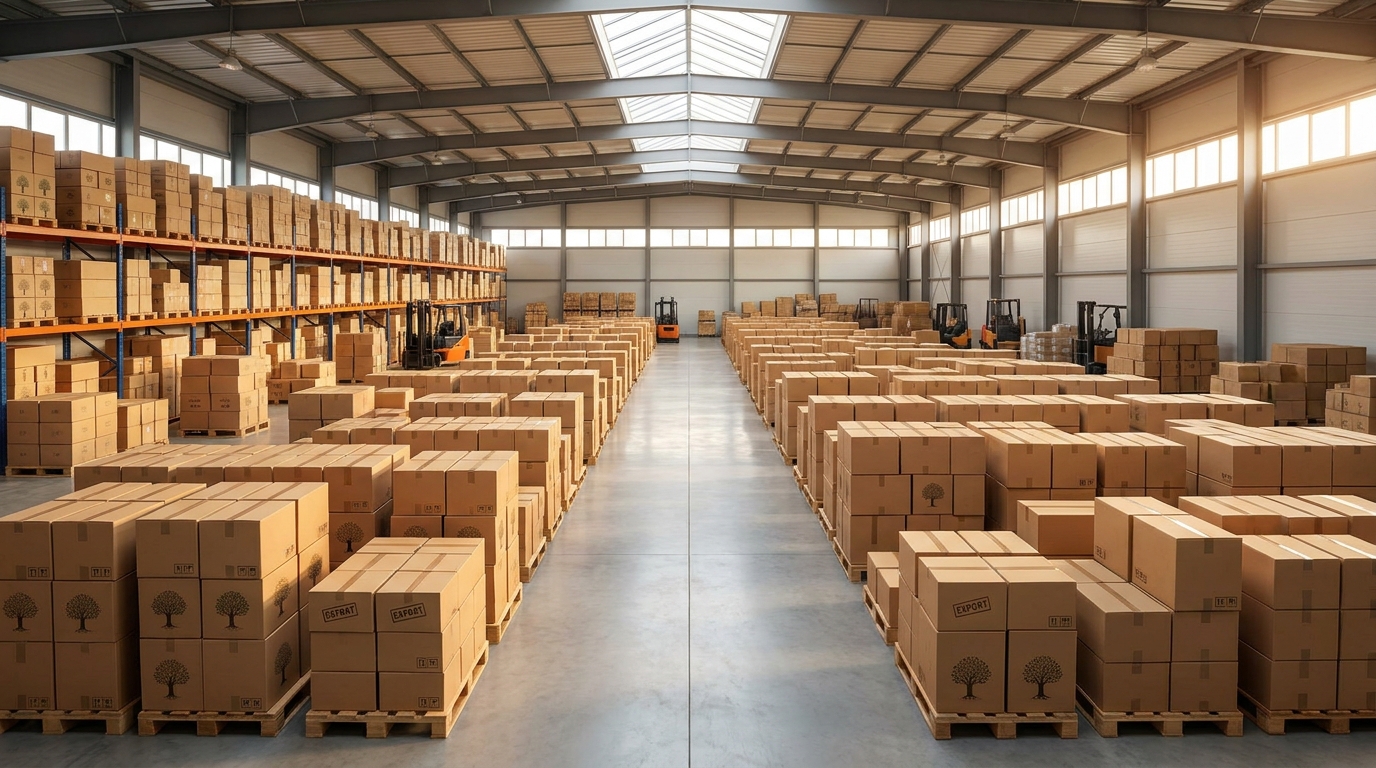
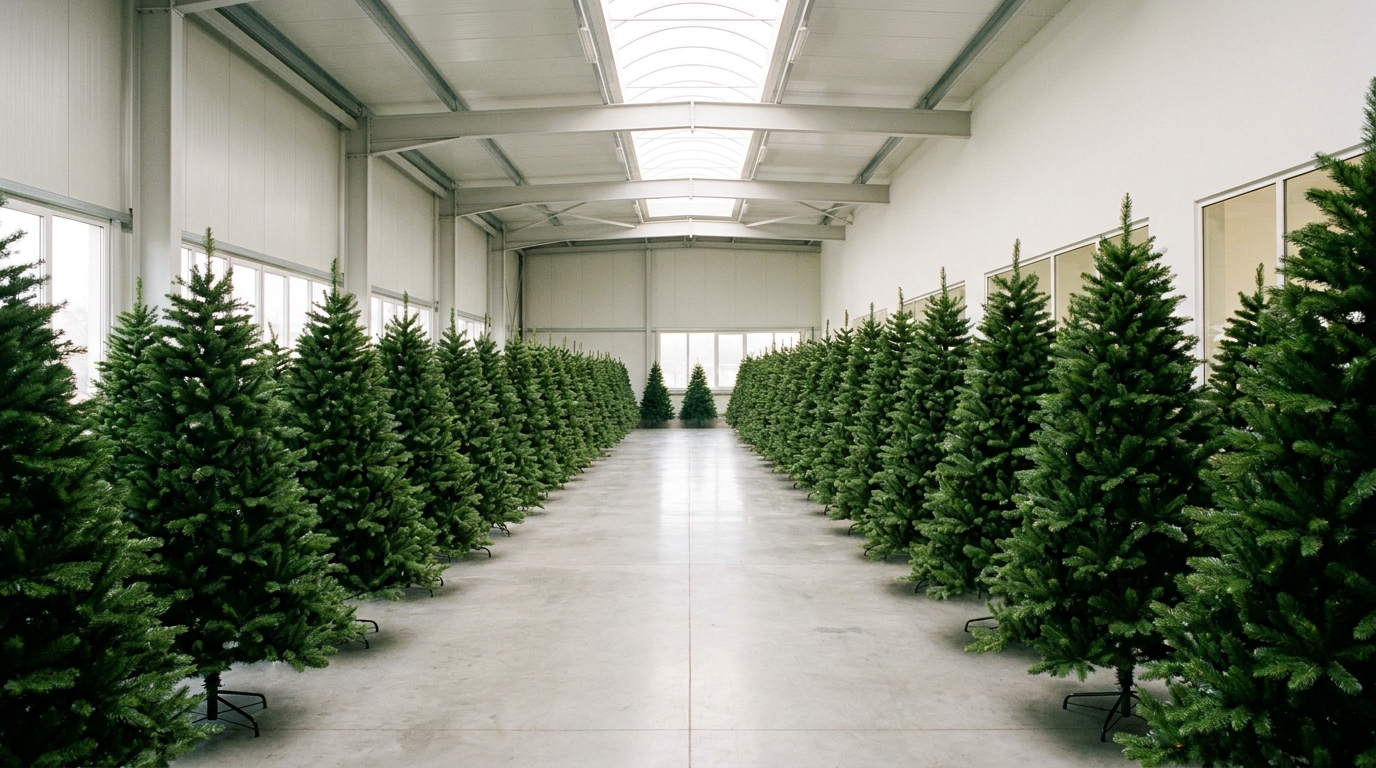
A capable artificial tree factory is easy to recognise once you know what to look for. It will have its own tip-making lines, branch assembly stations and a proper metalwork section for stands and hinged frames. Ask how many years they have been producing trees specifically, not just seasonal goods in general. Tree making is its own craft, and factories that have been at it for a decade or more tend to have stable moulds, trained workers and a smooth peak season.
Ask which markets they already ship to. A factory that regularly serves Europe or North America will be familiar with the safety and labelling requirements those markets expect, which saves you a lot of explaining. Ask to see recent production photos or a video call from the workshop floor. Most good factories are happy to show you around remotely, and a ten minute walk through the tip cutting and branch binding areas tells you more than any brochure.
Manufacturer or trading company
Buyers often ask whether they should work with a manufacturer directly or through a trading company. Both are legitimate routes, and each suits a different kind of buyer.
Working directly with a manufacturer usually means factory pricing and a short line of communication on technical details like tip density or stand gauge. It suits buyers who know exactly what they want and are ordering enough volume to hold the factory’s attention.
A trading company or a China-based sourcing partner earns its place in a different way. It can combine trees from one factory with ornaments, lights or garlands from others, consolidate everything into one container, manage inspections and paperwork, and generally act as your team on the ground. For a first serious order, that extra layer of coordination is often worth more than the margin it costs. Many experienced importers use both models depending on the product and the season.
Always start with samples
Never confirm a production order from photos alone. A sample tells you how the tips feel in the hand, how full the tree looks once the branches are shaped, how the hinged sections fold, and whether the stand sits flat and steady. Expect to pay for the sample and the courier, which is normal, and many suppliers credit that cost back against your first order.
When the sample arrives, assemble it the way your customer would. Fluff the branches, check the colour under daylight and warm indoor light, plug in the LEDs if it is a pre-lit model and leave them running for a few hours. Weigh the carton and measure it too, because that data feeds directly into your freight calculation later.
Materials and branch counts, the details that decide quality
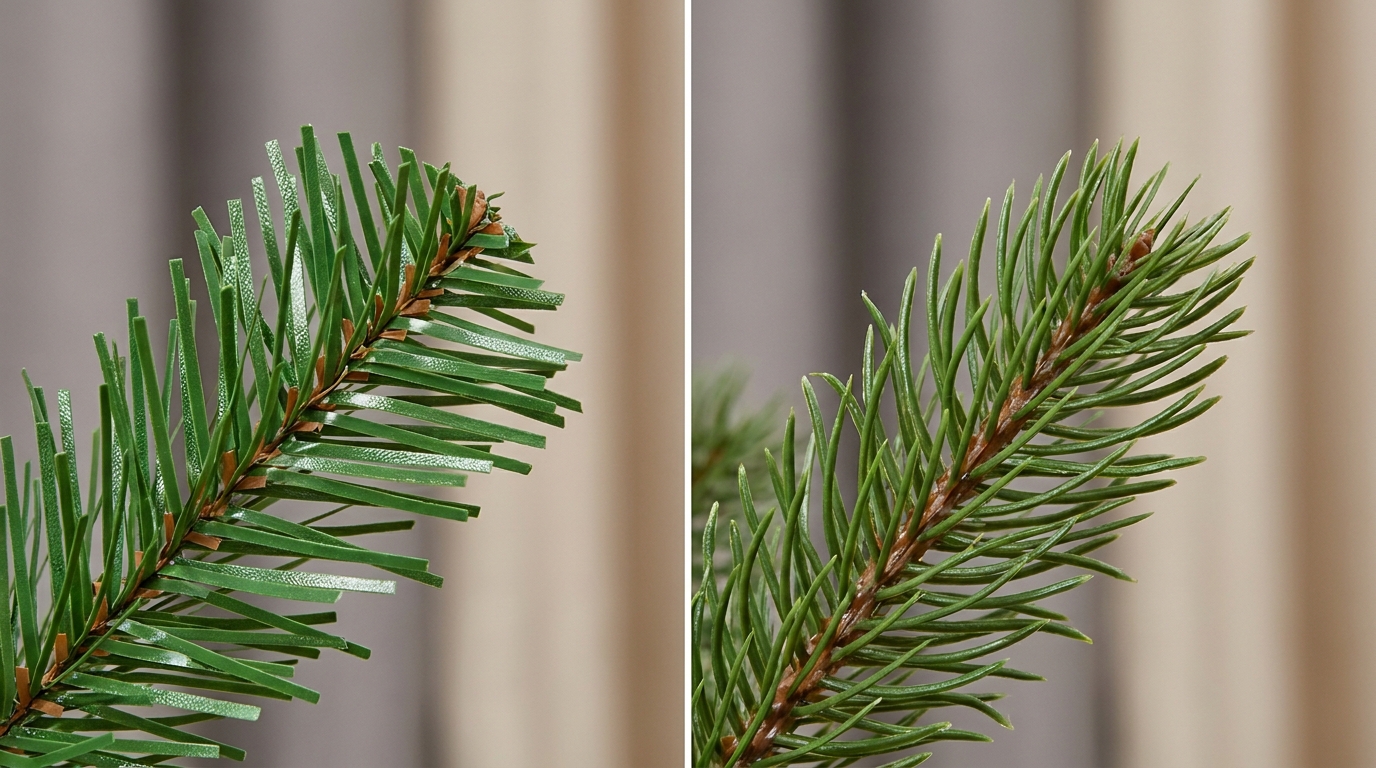
Two materials dominate artificial trees. PVC tips are flat cut film, economical and full looking, and they still make up the body of most trees. PE tips are injection moulded from real branch impressions, so they look remarkably lifelike. Most premium trees today mix the two, with PE on the outer visible tips and PVC filling the interior.
- Branch tip count. This is the honest measure of fullness. A 6 foot tree might carry anywhere from 800 to 1500 tips depending on the grade. Always compare quotes at the same tip count, otherwise the numbers mean little.
- Hinged construction. Hinged branches fold down for packing and swing up for assembly. They cost slightly more than hook-in branches and customers strongly prefer them.
- Pre-lit LED. Confirm the LED count, the bulb type, the plug standard for your market and the relevant certification. A good factory handles all of this routinely.
- Flocking. Snow flocked trees are popular and the quality of the flock adhesive matters. Ask for a flocked sample and give it a gentle shake test.
- Metal stand. Check the steel gauge and the powder coating. A wobbly stand undoes everything else.
MOQ, lead time and the rhythm of the season
MOQs for artificial Christmas trees usually start at a few hundred pieces per model, and mixed container orders are common, so you can spread one 40 foot container across several sizes and styles. Lead times run roughly 30 to 60 days in normal months and stretch during the summer peak, when factories are producing flat out for the autumn shipping window.
The calendar is your friend if you respect it. Confirm samples in spring, place production orders by early summer, and your goods ship in good time for the selling season. Suppliers reward early orders with better pricing and calmer schedules, so the earlier you commit, the smoother the whole year runs.
Order your Christmas trees in spring and you will spend December counting sales instead of tracking containers.
Shipping terms, inspection and OEM options
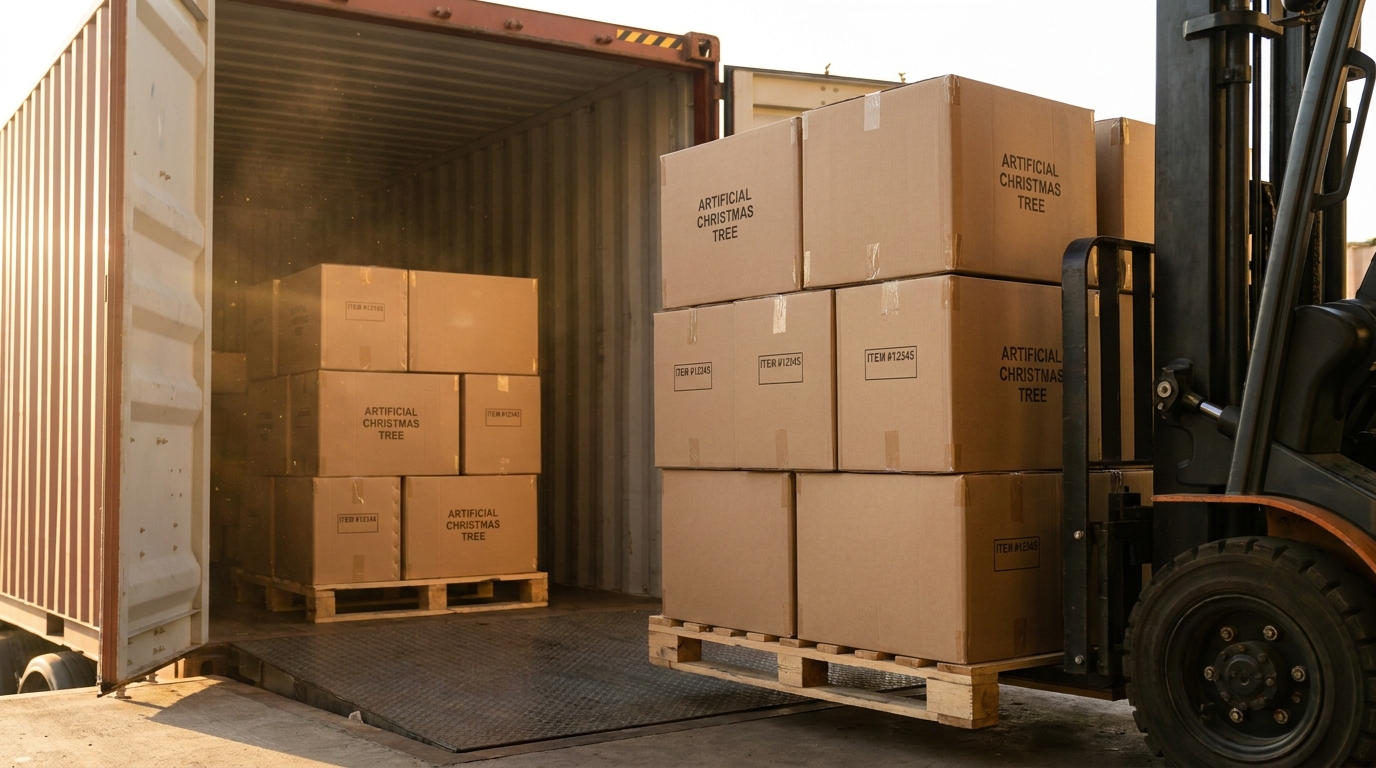
You will usually be quoted FOB, where the supplier delivers to the port in China and you arrange the sea freight, or CIF, where freight and insurance to your port are included. First-time buyers often prefer CIF or a fully delivered price because it turns shipping into one predictable number.
Book a batch inspection before the goods leave the factory. An inspector assembles random trees from the finished cartons, checks tip counts, tests the lights and reviews the packaging. It is a small cost for real peace of mind. Container loading supervision is a sensible extra on a first order too.
Finally, remember that OEM is standard practice here. Your own carton design, printed colour boxes, barcodes, instruction sheets in your language and custom sizes or tip blends are all normal requests. A good China-based partner will walk you through each of these choices, keep the factory on schedule, inspect the batch and get your container moving, so your first order feels less like a leap and more like a well planned step.
Ready to price your Christmas range?
We are a Guangzhou factory partner. Send your sizes and quantities and we will quote you, delivery included.